Johann Sebastian Bach (1685–1750) was a German Baroque composer and musician. Admired for his intricate and expressive compositions, he crafted masterpieces such as the Brandenburg Concertos and the Mass in B Minor. Bach's legacy endures as one of the greatest composers, influencing generations with his exceptional contributions to classical music.

Wolfgang Amadeus Mozart (1756–1791), an Austrian composer, prodigy, and prolific musical genius of the Classical era. Known for his timeless operas, symphonies, and chamber music, including "The Magic Flute" and "Don Giovanni." Mozart's unparalleled talent and versatility left an enduring impact on Western classical music.

Ludwig van Beethoven (1770–1827), a German composer and pianist, bridged the Classical and Romantic eras. Known for his emotionally charged and groundbreaking compositions, including the Ninth Symphony and "Moonlight Sonata." Beethoven overcame deafness to create some of the most influential and best-loved works in the history of Western classical music.

Fred, Luisa, and Drake are selected to write the school’s winter pageant, and Fred is excited, though quickly realizes that writing a play is harder than he thought. Luckily, Luisa’s famous uncle, Juan Pierre Reyes, a Broadway director, arrives to help. After some brainstorming, Fred comes up with the idea for the What-If Winter Wonderfest. The power of imagination transforms their play into a chaotic yet fun adventure, bringing to life characters like Frankinschool, Princesa Luisa, Drakeula, and Frank, the school’s resident ghost. Together, they explore the secrets of peace, light, and wonder during the festive winter season.

In Where Are the Women? New York City Girl Scouts discover Central Park lacks statues of women. They unite, raise funds, and persuade the city to erect the first female monument. Read about the four-year journey celebrating their impactful perseverance.

The Manatees, led by new captain Luis, find joy this baseball season. Embracing teamwork, they welcome troubled players Ty and Savannah for a second chance. Can they all work together to beat the league's best, the Dragons?

Emma is eager to see her friends Lily and Amelia when third grade begins. But her friends’ interests have changed: Lily became a ballerina, Amelia lost interest in science. And, as third grade unfolds more differences among them are revealed.

A los niños les encantará esta divertida historia mientras exploran diferentes opciones profesionales de una manera divertida y con la que se pueden relacionar. Disfrutarán escuchando esta adorable historia que presenta efectos de sonido y voces profesionales para ayudar a los niños a desarrollar vocabulario y mejorar sus habilidades auditivas. Las oraciones simples, la enunciación clara y las palabras repetitivas alentarán a los niños a enamorarse de contar historias.

A los niños les encantará esta divertida historia sobre una familia que cena junta y una abuela a la que le gusta preparar la cena para su familia. Disfrutarán escuchando esta adorable historia que presenta efectos de sonido y voces profesionales para ayudar a los niños a desarrollar vocabulario y mejorar sus habilidades auditivas. La historia se presenta primero en español y luego en inglés, lo que lo convierte en un recurso maravilloso para que los niños aprendan un idioma diferente. Las oraciones simples, la enunciación clara y las palabras repetitivas alentarán a los niños a enamorarse de contar historias y aprender un nuevo idioma. 

Did you know that butterflies find food and locate a mate with their eyes, “smell” and sense vibrations with their antennae, and taste with their front feet? Learn all about how they look, where they live, how they change as they go through metamorphosis, and more.

¿Sabias que hay mas de 150 razas diferentes de cachorros? Las ilustraciones increíbles de la vida y las cajas informativas de la estadística, llenadas de hechos interesantes, hacen este libro de 24 páginas diversión y emocionante para los entusiastas jóvenes de la ciencia de edad 4 y arriba!

¿Sabías que el Tiranosaurio era el dinosaurio come carne más feroz? No era el más grande, pero era enorme – 7 toneladas (6.5 toneladas métricas) de monstruosidad. Con más de 40 pies (12 m) de largo, fue un asesino inteligente con una visión aguda. Aprende todo sobre estas criaturas prehistóricas y los paleontólogos que los estudian.

Did you know as a frog grows it has to shed its skin? This is called molting. The frog pulls off its old skin with its feet and then eats it.

¿Sabias que la momia del faraón Khufu fue colocada en lo que se llama la Gran Pirámide? Es la estructura de piedra más grande del mundo, que consta de 2.300.000 bloques de piedra, ¡cada uno pesa varias toneladas! ¡Esa es una gran lápida!

¿Sabías que los científicos que estudian los volcanes se llaman volcanólogos? Conoce los tres tipos principales de volcanes: cono de ceniza, volcanes escudo y volcanes compuestos. Las ilustraciones increíbles realísticas y las cajas informativas de estadística, llenas con datos interesantes, hacen este libro de 24 páginas divertido y emocionantes para los jóvenes entusiastas de la ciencia de edades 4 para arriba!

¿Sabías que los tiburones pueden oler la sangre en el agua a más de una milla de distancia? Las ilustraciones increíbles realísticas y las cajas informativas de estadística, llenas con datos interesantes, hacen este libro de 24 páginas divertido y emocionantes para los jóvenes entusiastas de la ciencia de edades 4 para arriba!
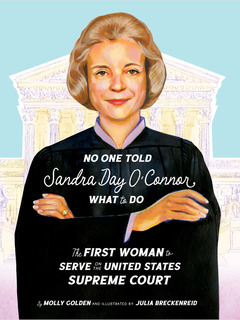
On September 25, 1981, Sandra Day O'Connor became the first woman to be a Supreme Court Justice in United States history. But who was Sandra Day O'Connor? By challenging the assumptions of what women could and should do, Sandra opened the doors for others to do the same. Sandra Day O'Connor was the first, but her work ensured that she would not be the last!

The Diné, or Navajo, have made this continent their home for centuries. Today, Navajo Nation is the largest tribal nation in the United States. In this introduction, readers will learn about Diné people, their lives today, their ancestral lands, and how they are carrying traditions forward.

How do you stay safe in different types of weather? Learn how and why to stay safe in different kinds of storms and everyday weather, including extreme hot and cold temperatures. Vibrant, full-color photos and carefully leveled text engage young readers as they learn about weather safety.

How do you stay safe around strangers? Stranger Safety highlights everyday situations readers encounter and how to stay safe at home, in public, and online. Vibrant, full-color photos and carefully leveled text engage young readers as they learn about stranger safety.

How do you stay safe around water? Learn how to behave in pools and lakes, why life jackets are important, and more. Vibrant, full-color photos and carefully leveled text engage young readers as they learn about water safety.

How can you be fire smart outdoors, at home, and in public settings? Learn how to check smoke detectors, how to make and practice a fire escape plan, what to do during a fire drill or real fire, and more. Vibrant, full-color photos and carefully leveled text engage young readers as they learn about fire safety.

How do you stay safe on a road? Learn how to be a good passenger in a car, how to safely cross a street, how to read intersection lights, and more. Vibrant, full-color photos and carefully leveled text engage young readers as they learn about road safety.

How do you stay safe while riding a bike? Learn why you should wear a helmet, look both ways, tell adults where you are going, and more. Vibrant, full-color photos and carefully leveled text engage young readers as they learn about bike safety.

Learn to spot the differences between these marine mammals. Carefully leveled text relays what the animals look like and how they behave. Each page then asks readers to name which one is shown in the photo. Answers appear upside down on the bottom of each page, making reading for learning interactive and fun.