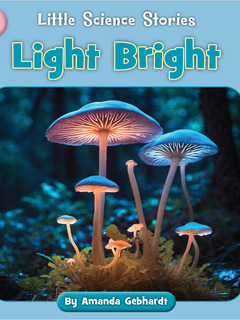
What makes its own light? What needs light shined on it? Welcome to the strange and wonderful world of light in this decodable science book for beginning readers. A combination of domain-specific sight words and sequenced phonics skills builds confidence in content area reading.

Which materials cast shadows? Which let light pass through? Find out in this decodable science book for beginning readers. A combination of domain-specific sight words and sequenced phonics skills builds confidence in content area reading.

Explore how animals hear, see, and smell in this decodable science book for beginning readers. A combination of domain-specific sight words and sequenced phonics skills builds confidence in content area reading.

Earth was a lot different when dinosaurs were alive. Scientists study important clues that were left behind to learn what kinds of dinosaurs lived where, what they ate, and how fast they could run. Even though there have been incredible changes on Earth, there are still dinosaur relatives living today!

Trees are large perennial plants with a single woody stem or trunk, branches, and leaves, playing a crucial role in ecosystems by providing oxygen, storing carbon, and offering habitats for wildlife. Articles are a unique way for readers to learn about the world around them. In addition to building reading comprehension skills and increasing vocabulary, articles can be used for writing and research.

Forces are pushes or pulls that can cause an object to move, change direction, speed up, slow down, or alter its shape, acting through contact or at a distance. Articles are a unique way for readers to learn about the world around them. In addition to building reading comprehension skills and increasing vocabulary, articles can be used for writing and research.

The life cycle of a butterfly consists of four stages: egg, larva (caterpillar), pupa (chrysalis), and adult, undergoing complete metamorphosis from caterpillar to winged insect. Articles are a unique way for readers to learn about the world around them. In addition to building reading comprehension skills and increasing vocabulary, articles can be used for writing and research.

Winter storms are severe weather events characterized by heavy snowfall, freezing rain, strong winds, and cold temperatures, often causing hazardous conditions and disruptions to daily life. Articles are a unique way for readers to learn about the world around them. In addition to building reading comprehension skills and increasing vocabulary, articles can be used for writing and research.
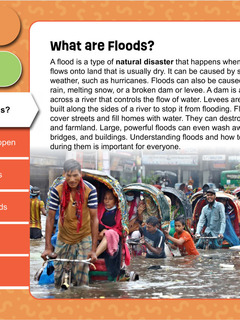
Floods are overflow events where water submerges normally dry land, typically caused by excessive rainfall, river overflow, or rapid snowmelt, often resulting in damage to the environment and infrastructure. Articles are a unique way for readers to learn about the world around them. In addition to building reading comprehension skills and increasing vocabulary, articles can be used for writing and research.

The grassland biome is characterized by vast open areas dominated by grasses, with few trees, and is home to grazing animals, birds, and insects, thriving in moderate to low rainfall regions. Articles are a unique way for readers to learn about the world around them. In addition to building reading comprehension skills and increasing vocabulary, articles can be used for writing and research.

Just like human families, animal families come in all shapes and sizes. Some wild animal fathers have diverse and surprising wildlife parenting roles in the rearing of their offspring. Told through captivating illustrations and lyrical text, young readers learn how animal dads, from wolves to seahorses, protect, nurture, and teach their young. This educational picture book combines storytelling with scientific facts, making it ideal for young children fascinated by animal behaviors and nature.

We prepare at home for natural disasters and weather emergencies. If hurricane winds or floods are heading our way, we can stay (ride it out) or leave (evacuate). But what happens when zoos, aquariums, or sanctuaries are in the storm’s path? How do zoo staff protect the animals? Who can come to help them after the storm has passed? This engaging children's book explores how zoos protect their animals during natural disasters. Through captivating storytelling and vivid photographs, young readers learn about zoo emergency plans and animal care.

Dive into the fascinating similarities and differences between the two large groups of cetaceans: toothed whales (dolphins, porpoises, orcas, and sperm whales) and baleen whales (gray whales, blue whales and humpbacks). With vibrant photographs and engaging text, this marine life book for kids explains whale adaptations, behaviors, and feeding techniques. Ideal for young readers interested in ocean animals, this book fosters curiosity about marine biology and whale conservation. This latest in Arbordale’s Compare and Contrast series helps children develop critical thinking skills. Perfect for parents and educators looking for an informative book on whales for children.

This engaging and educational children's book explores how dolphins learn through play, observation, and experimentation. The book highlights various fascinating behaviors and hunting techniques that dolphins acquire and pass down through generations and found only in certain areas of the world. This marine life book for kids highlights the intelligence and adaptability of these remarkable creatures. Perfect for budding marine biologists and animal lovers, the book fosters curiosity about ocean animals and their behaviors. Ideal for parents and educators, "Dolphins: Learned Behaviors" offers a captivating look into the lives of one of the ocean's most intelligent species.

In Wonder Dogs, nothing can stop these disabled dogs from living life to the fullest. In this inspiring series, readers will learn how adaptable animals really are, and how, with a little bit of help, anything is possible.

In Incredible Goats, readers will watch as these favorite farm animals regain their footing. In this inspiring series, readers will learn how adaptable animals really are, and how, with a little bit of help, anything is possible.

In Hero Horses, readers will learn that nothing can keep a good horse down. In this inspiring series, readers will learn how adaptable animals really are, and how, with a little bit of help, anything is possible.

In Fearless Rabbits, cute and fluffy meets strong and determined as these rabbits get back on the move. In this inspiring series, readers will learn how adaptable animals really are, and how, with a little bit of help, anything is possible.

Meet the plant-eating Iguanodon from the Late Jurassic to the Early Cretaceous periods. The simple, easy-to-read text and action-packed illustrations in this series let readers get up close and personal with the remarkable creatures that roamed our planet millions of years ago.

Meet the short-armed Plateosaurus from the Late Triassic period. The simple, easy-to-read text and action-packed illustrations in this series let readers get up close and personal with the remarkable creatures that roamed our planet millions of years ago.

Meet the crocodile-like Spinosaurus as it hunted in the Late Cretaceous period. The simple, easy-to-read text and action-packed illustrations in this series let readers get up close and personal with the remarkable creatures that roamed our planet millions of years ago.

Meet the small but mighty Compsognathus as it hunted in the Late Jurassic period. The simple, easy-to-read text and action-packed illustrations in this series let readers get up close and personal with the remarkable creatures that roamed our planet millions of years ago.

Meet the water-dwelling Icthyosaur as it hunted in the Late Cretaceous and Early Triassic periods. The simple, easy-to-read text and action-packed illustrations in this series let readers get up close and personal with the remarkable creatures that roamed our planet millions of years ago.

Meet the fierce Coelophysis as it hunted in the Late Triassic period. The simple, easy-to-read text and action-packed illustrations in this series let readers get up close and personal with the remarkable creatures that roamed our planet millions of years ago.

In Courageous Cats, readers will watch as these fearless felines get a second chance. In this inspiring series, readers will learn how adaptable animals really are, and how, with a little bit of help, anything is possible.